



Discordia remote correspondent Dimitri Karakostas returns with a dispatch from institutionalized, his new photo-essay series. “this series is a result of me being forced to talk about ‘what i do’ for all the various systems that control both funding and exposure in the arts in canada,” says Dimitri. “this series is, admittedly, a lot less funny than i usually aim for but it’s... purpose driven.” For what it’s worth, we think it’s one of the most intriguing reflections on craft we’ve encountered in a good while.
Here Dimitri reflects on the process of “procedural seeing,” an artistic method as owed to the philosophies of former CIA spymaster James Jesus Angleton as William Eggleston or Susan Sontag.
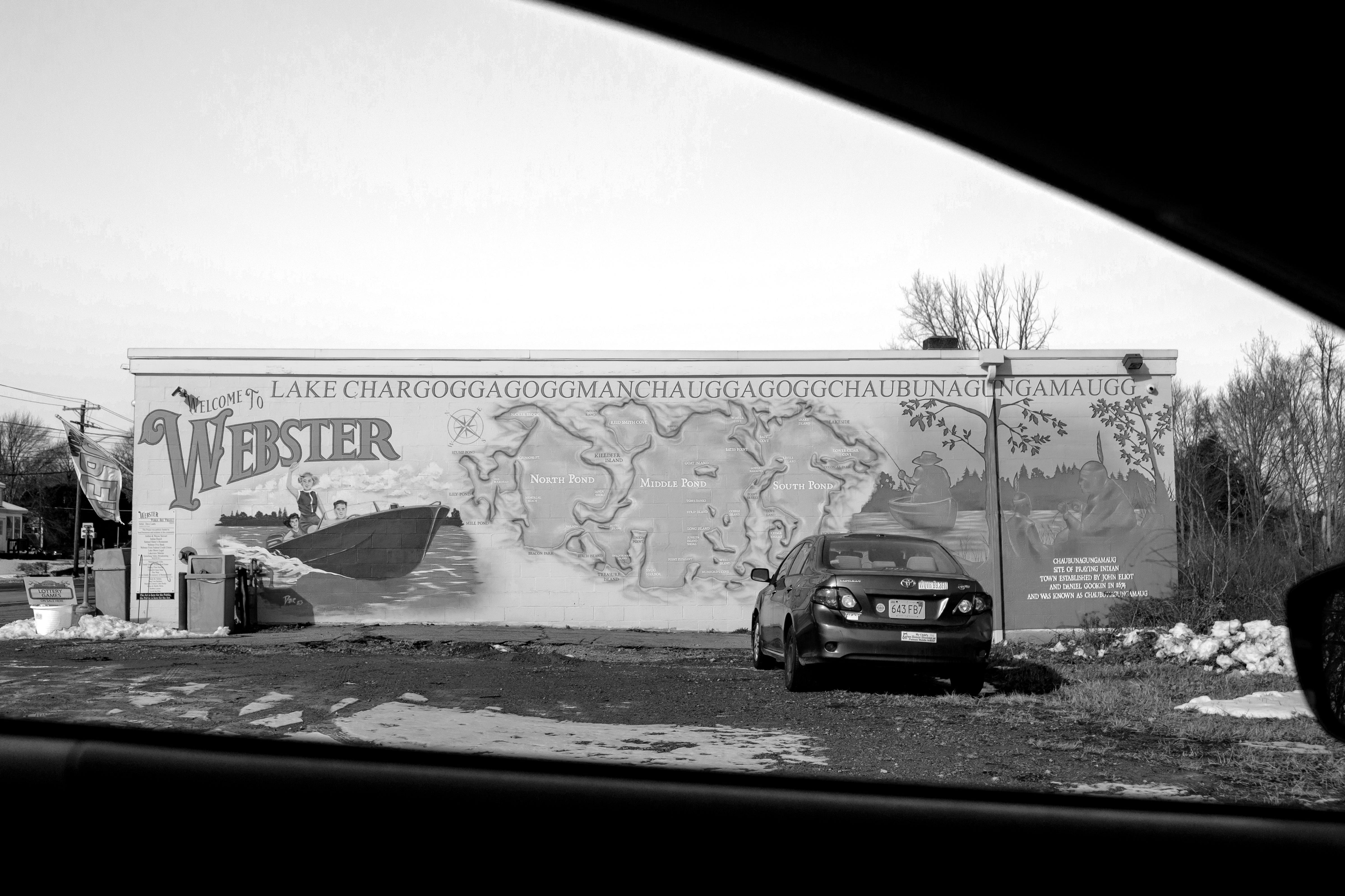
I work with a rule before I work with a picture. Sometimes I work with a rule instead of working at all.
Procedural seeing is a mode of observation in which the image results from adherence to a pre-established method rather than expressive intent. The photographer becomes an operator executing a system (algorithmic, geographic, or behavioral) which allows the camera to perceive according to rule instead of taste. The images record not the world as experienced but the process of looking itself, which is a fancy way of saying I made a to-do list for my eyes and stuck to it.
Procedural seeing is a contract with the viewer: you get the method up front and the pictures that result—but the method does not have to be declared; a magician is not obliged to show the trapdoor. When I disclose it, it is for clarity and accountability, not confession or redemption.
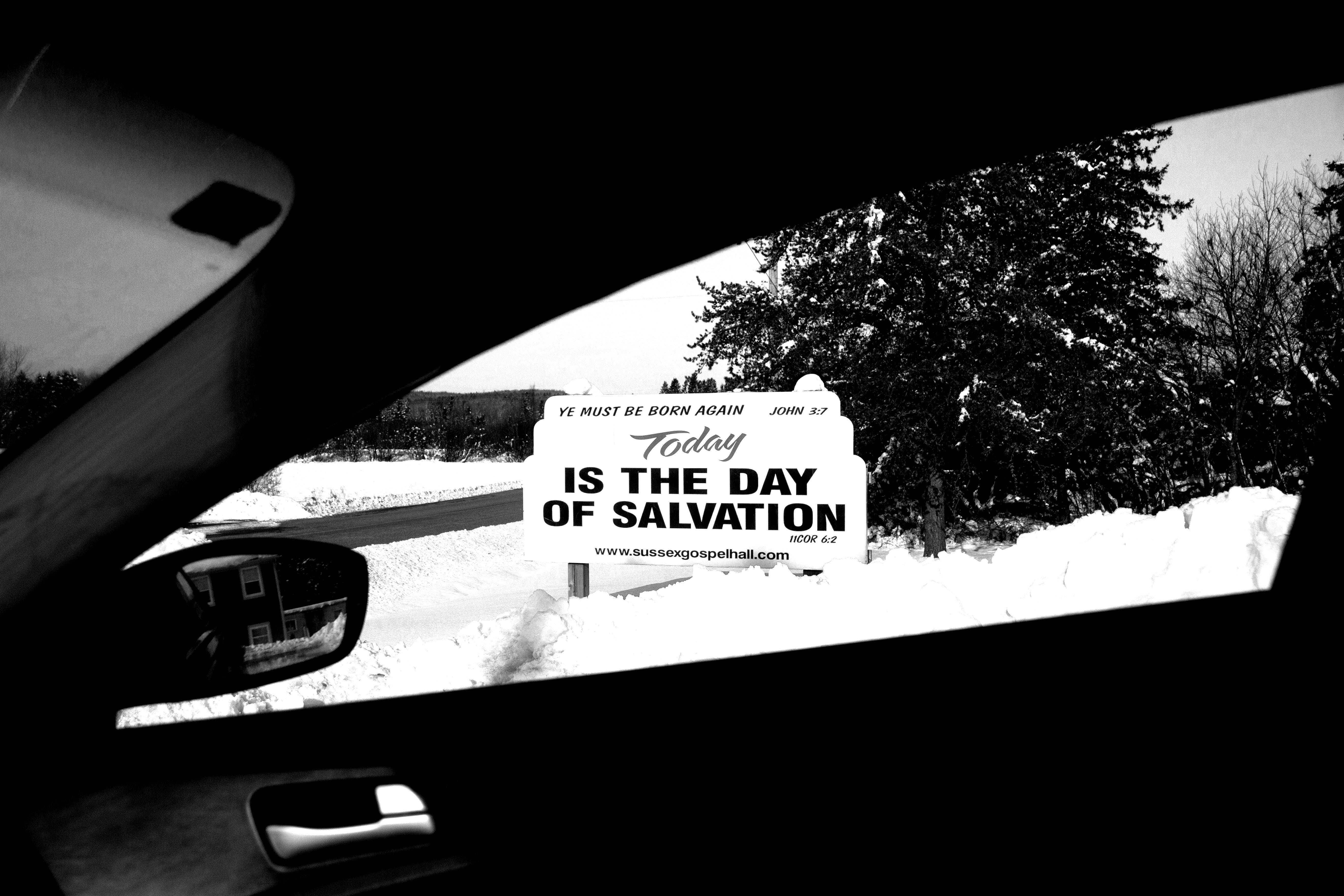
Each project is mapped with room to get lost, and the route decides what gets recorded next. The result is evidence, not expression; whatever images appear occurred under stated conditions, with fortune acknowledged as part of the method.1
A secondary origin sits outside art. In counterintelligence there is the practice of building a chrono, James Jesus Angleton’s term for the exhaustive timeline that keeps every scrap, however small, then sorts until a pattern emerges. Nothing is too minor to exclude. It must be logged before it can be dismissed. I work with that logic, stripped of its paranoia and redirected toward landscape. Exhaust first, interpret later.2
The procedure produces raw records. The archive gives them duration. In tandem, they convert single exposures into a structure that can be re-entered, re-indexed, and revised. In practice it is a cycle simple enough to trust on little sleep and gas-station coffee: plan, go, record, return.
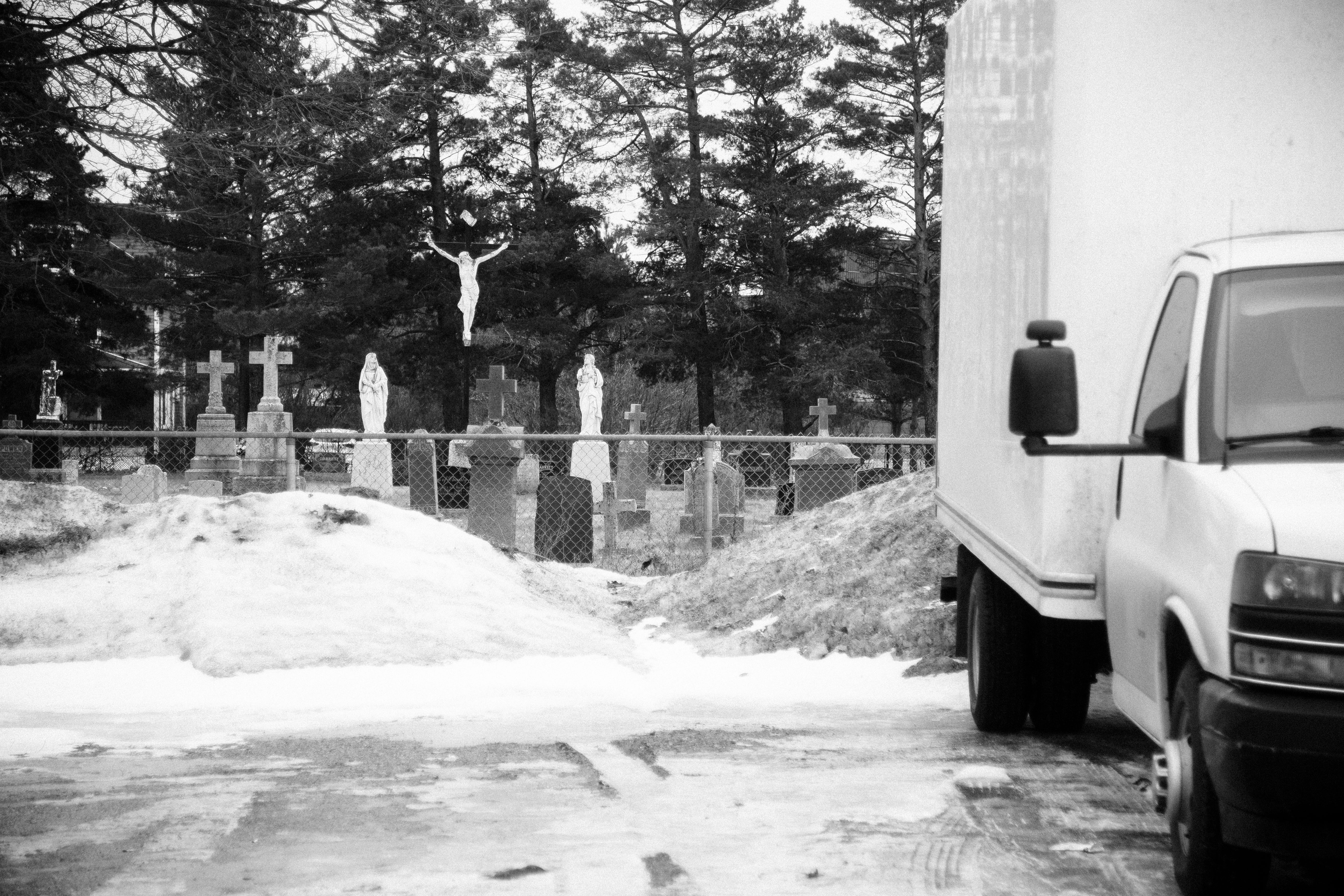
I am not interested in the heroic single image. It does not work anymore; it does not exist.
I want a sequence that owes itself to what came before it. Gordon Lish says every sentence leans on the last. If the first one fails, the ladder sags.3
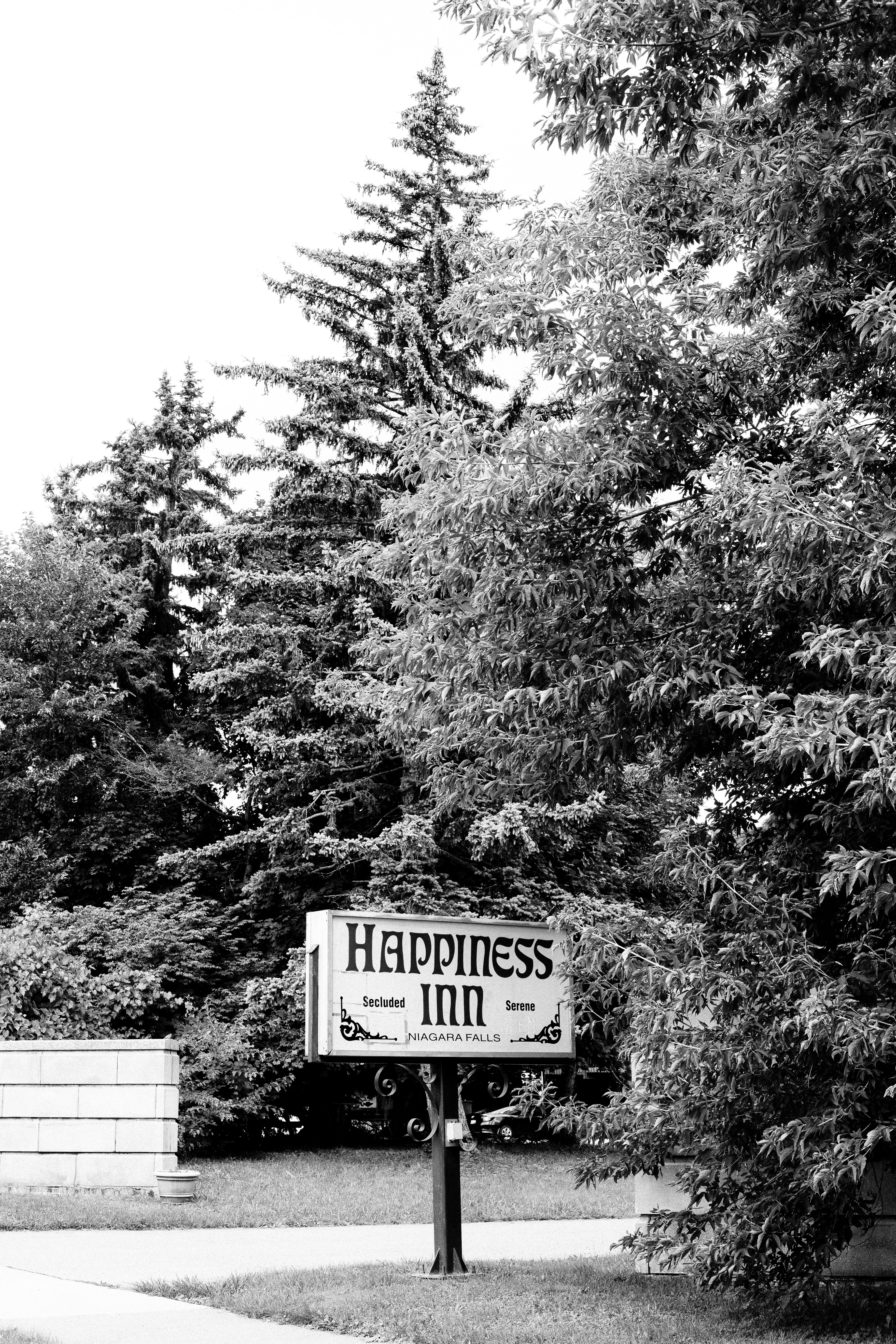
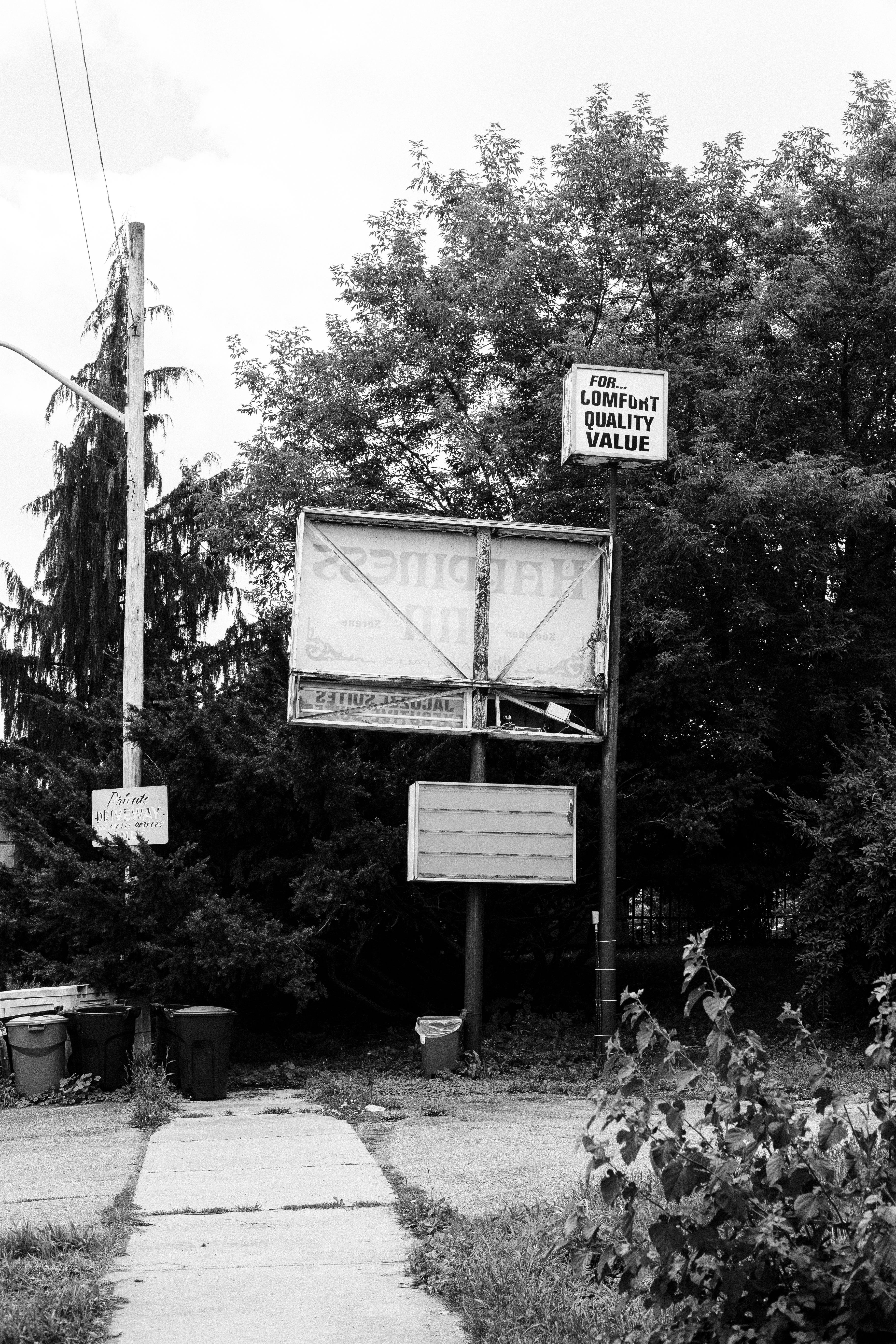
I keep the terms loose on purpose. A project declares its route, its conditions, and its allowable detours. Some days I set a simple interval of time-I-can-spend-away-from-home. Some days I use a list of local triggers. Some days I seed a start point with a number pulled from the odometer.
This is more than aimless roaming. It is roaming on a map that tolerates accidents. The goal is not inspiration. The goal is to let a plan meet a day and see what survives [and if nothing does, the record of failure continues to exist].
Build the line, then ask what it implies. If nothing emerges, the answer is that nothing emerged, which is still information to be used—somehow.
Submission is part of it. I submit to the route and to the hour and to the ice on the shoulder and to the coin that says left at the next stoplight. Randomness is not decoration. It is a lockout on preference. It prevents the small cheat where you drift toward what you already like because the light smiles at you.45
Procedural seeing turns photographing into a systemic event. The archival mentality turns the result into a durational structure. Procedure is acquisition. Archive is retention and organization. Bureaucracies generate documents to prove that something occurred. My photographs prove that seeing occurred under specific constraints. They enter an archive not as memories, but as the byproduct of a self-imposed system that also logs its own limits.
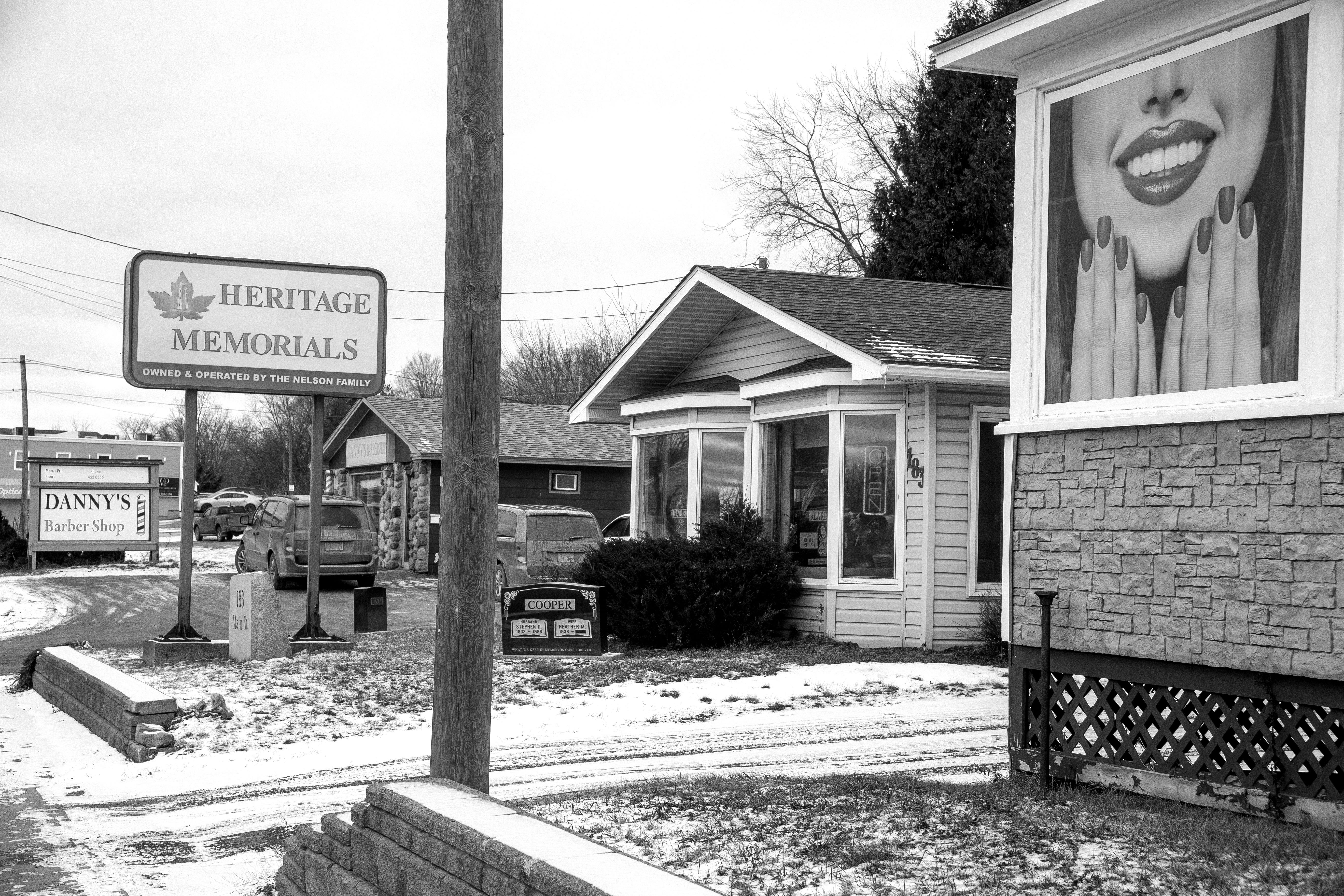
This is not neutrality in the moral sense. It is neutrality in the clerical sense. The work admits bias in the facts of where I can drive, when I can drive, what counts as a road, who plows it, how eager I am to trespass or to break local traffic laws, and how I phrase the rules. The archive records these constraints inside the file like an alibi that does not quite get you off the hook.
A map is both score and ledger. It dictates where seeing can occur, then doubles as proof that the route was executed. Sometimes the only way to stay on the route is to get a little lost on schedule.
Research is the pretext: municipal records, road atlases, public works schedules, property notices, signage codes, local histories, obituaries. The photograph continues the research instead of illustrating it.
Over time, the archive feeds itself. Each new record updates the system that governs the next round. The project reads forward and backward at once. Backward, it stabilizes what has been seen. Forward, it sets the constraints for what will be seen next. Each image is proof of an image that I am currently missing.
Start with Ed Ruscha’s Twenty-Six Gasoline Stations. The book is not about gas stations. It is about a plan that produced images that resemble gas stations because that is where the plan ran.6
Keep William Christenberry in view. He returns to the same crossroads until a Palmist sign thins to rumor. That is not nostalgia. It is responsibility distributed over years.7
Add William Eggleston for the stance that everything deserves attention. I keep the stance and swap the engine. He is democratic. I am procedural. He invites beauty. I accept beauty as a local glitch that does not revise policy.8
Carry Sol LeWitt’s sentence. The idea becomes a machine that makes the art. Here the itinerary is the idea. The camera is the machine. The machine tolerates a coin toss without outrage.9
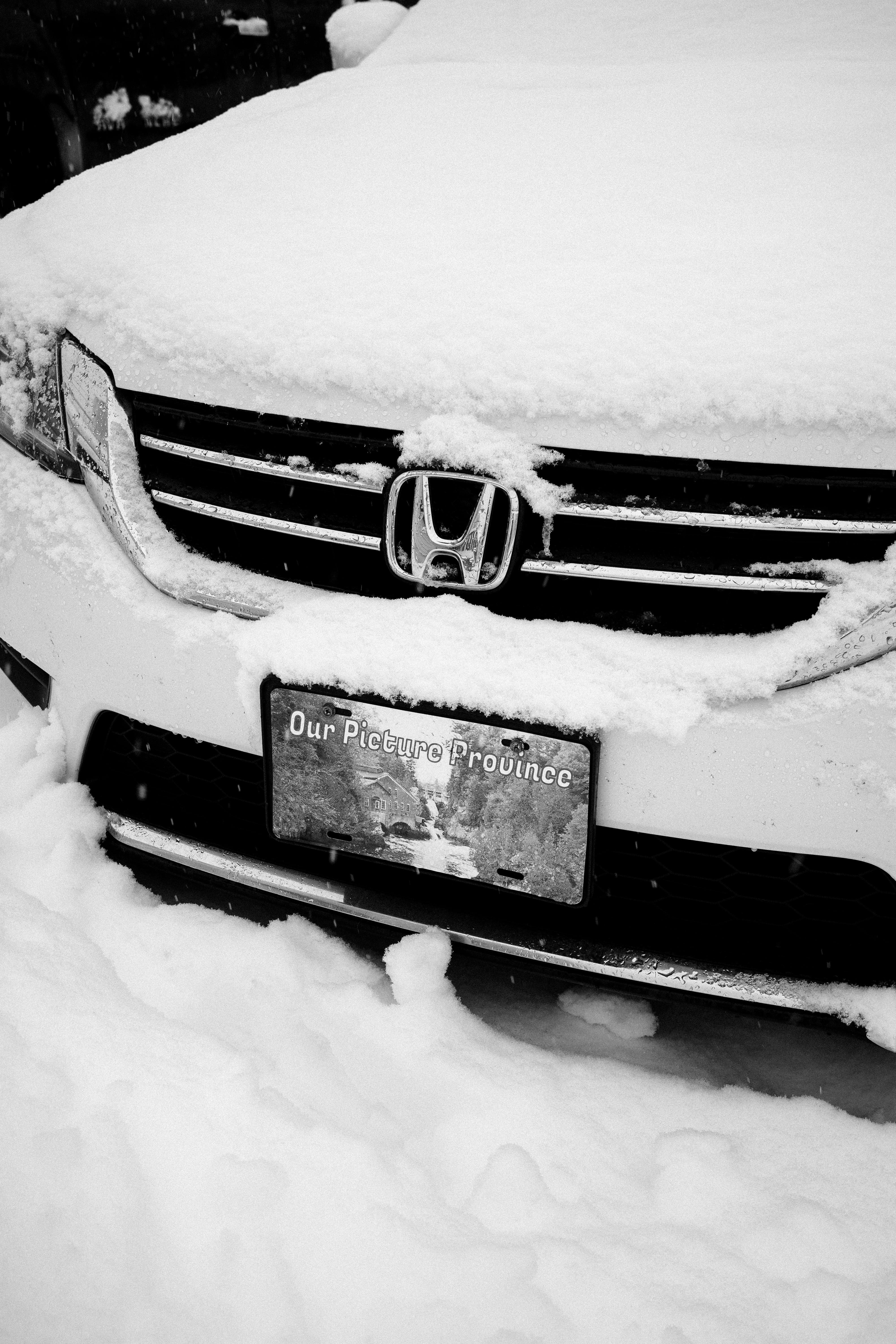
Lately, New Brunswick is the subject and the filing system. The province is smaller than it thinks and larger than I can summarize. Roads and signs repeat, and so do I. Winters rinse the palette until the aging tourists come back to make a mess in the parks.
Photographing here often feels like checking inventory. Vacancy signs glow long after the day is done. Barns negotiate and then stop. I am not saving any of it. I am verifying that it is disappearing on schedule.
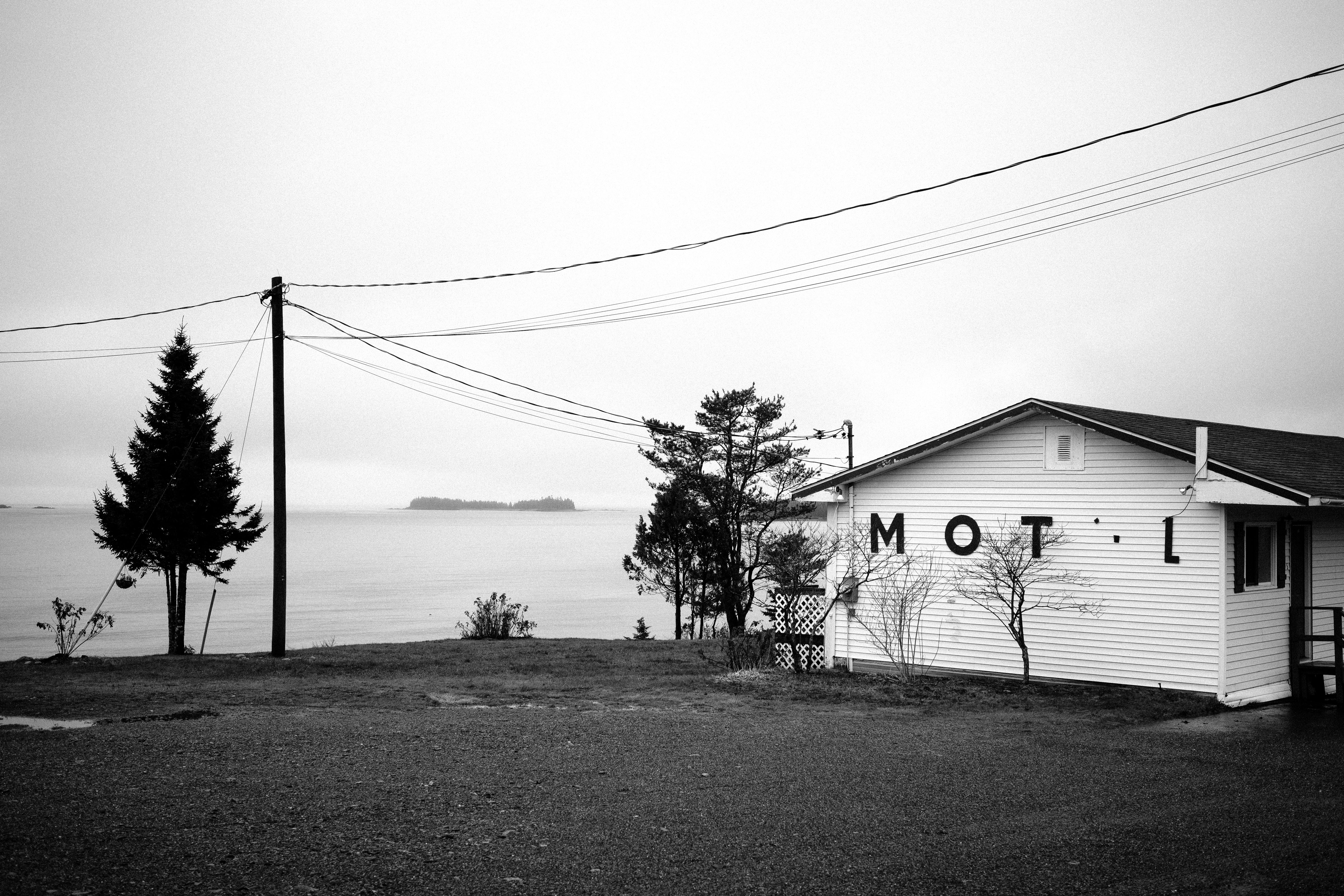
Once a protocol exists, the camera moves like a hunter and files like a clerk. It looks for permitted targets and writes them down. Exposure, coordinates, time. If there is poetry here, it reads like a 2014 Hyundai Sonata repair manual. The ethic is not romantic. It is mechanical, and a little funny if you let it idle for a minute.
Traditional photographs fail for classic reasons: wrong light, wrong lens, wrong film, wrong angle. Delusions of grandeur. Procedural protocols guarantee a purposeful photograph because the exposure is correct by definition. Correctness replaces greatness. Greatness can call if it needs something. This is both a principle and a sanity plan. One camera, one lens, a few frames. No need to stop the car. I do not adjust the world: what would give me that right?
Photography is an art of reproduction by design. Negative, proof, scan, print, xerox, spread for a book, photograph that spread to share online. I do not apologize for this recursion; the archive is made of returns. It widens in storage and tightens in meaning.
Sontag says that to collect photographs is to collect the world. I do not collect the world. I collect proof that a protocol held on a day when the forecast was not helpful.10 If we must invite Barthes, my punctum is clerical and the wound is the timestamp.
There is a point when folders multiply, drives stack, labels line up, and I feel small in the presence of my own process. The administrative sublime. The map extends. The archive thickens. I remember I accidentally built a small government in my hard drive. The system begins to describe me more than it describes the road. The folders begin to resemble the case files of a place, except the only suspect is time. This usually marks the end of a project.
When I started working on a protocol, I thought I was documenting erosion. Landscape. Place. Flawed memory. The work became more procedural. The camera stopped pretending to remember for me. It performed memory as method. Each photograph traced a decision made earlier. Repetition pressed the past flat until it behaved.
I do not ask the camera to save experience; I ask it to standardize forgetting. When I want to recall a drive, I open a folder and watch the thumbnails count themselves into view. It is not personal. That is the comfort.
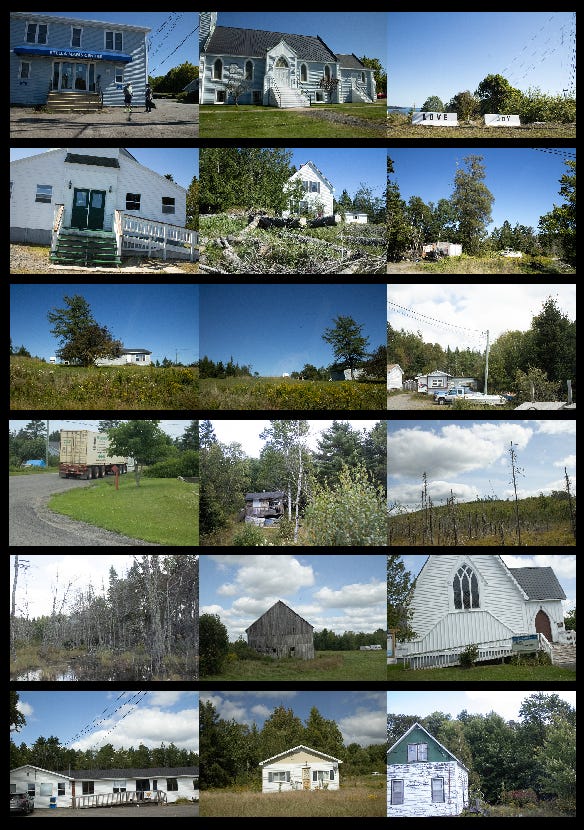
This practice is not an escape from ethics: it is a way to have one. The protocol treats sites with parity. It accepts boredom as data. It observes change without staging sentiment. The archive keeps the observation honest. Dates are recorded. Routes are logged. Omissions and failed intervals are kept alongside the pictures. Chrono over thesis makes the ethics testable. The public can read the method as easily as the images.11
If the archive outlives me, it will generate meaning the way an unattended spreadsheet does: automatically and indifferently. If it does not, I will still have kept a reasonable speed and an honest list. The map tells me where to stand. The road decides when to stop. The camera does the looking. The form has more authority than I do, which is partly the point. I write my name on the dotted line.
This text references Dimitri’s latest publication, Drive By Shooting, available to browse here.
DIMITRI KARAKOSTAS was abandoned by his family and forced into the artist sweatshops at a young age. He is now retired, living in Honduras with his beautiful young wife and their angry bull terrier. Cathedrals, pt. III: A Long Time To Be Wrong

Discordia remote correspondent Dimitri Karakostas sends another report from the frontlines of nowhere: “There are cathedrals everywhere, for those with eyes to see.”
The protocol is intentionally broad. “Mapped with room to get lost” is the operating ratio. Luck is not romance. It is a control against preference.
James Jesus Angleton, CIA counterintelligence. “Chrono” as total chronology. What I borrow is the doctrine of logging everything, then sorting. The politics do not transfer. The fever does not either.
Gordon Lish, editorial ethic. Each sentence leans on the prior sentence. Here each frame owes itself to the last. If A fails, B sags.
John Cage used chance operations to disarm intention. Not imported for style. Imported for the ethical refusal of preference. See also Marcel Duchamp’s Three Standard Stoppages, where gravity is permitted to draw the line.
Randomness is never pure. My coins are mostly Canadian. I still submit to the result. The submission is the art; the accuracy is paperwork.
Ed Ruscha, Twenty-Six Gasoline Stations, 1963. A book about a plan that made pictures out of necessity.
William Christenberry, Hale County returns, 1960s to 1990s. Duration as devotion, not sentiment.
William Eggleston’s “democratic camera.” Equal dignity for subjects. In my work parity comes from procedure rather than taste. Beauty may appear. It does not amend the protocol.
Sol LeWitt, “Paragraphs on Conceptual Art,” 1967. The idea as a machine that makes the art. Here the itinerary is the idea and the camera is the machine. Randomization is a parameter, not a mood.
Susan Sontag, On Photography, 1977. “To collect photographs is to collect the world.” I collect verifications that a protocol held. See also Roland Barthes, Camera Lucida, 1980, to acknowledge the vocabulary readers bring even when the wound is clerical.
On chrono as a working term. I use it to stress time before meaning. Build the line. Only then ask what the line suggests, and accept that it might suggest getting lunch.
As a historian and lover of USGS survey photography, FSA photographs, New Topographics, and the Pictures Generation-- I appreciate this and you.